
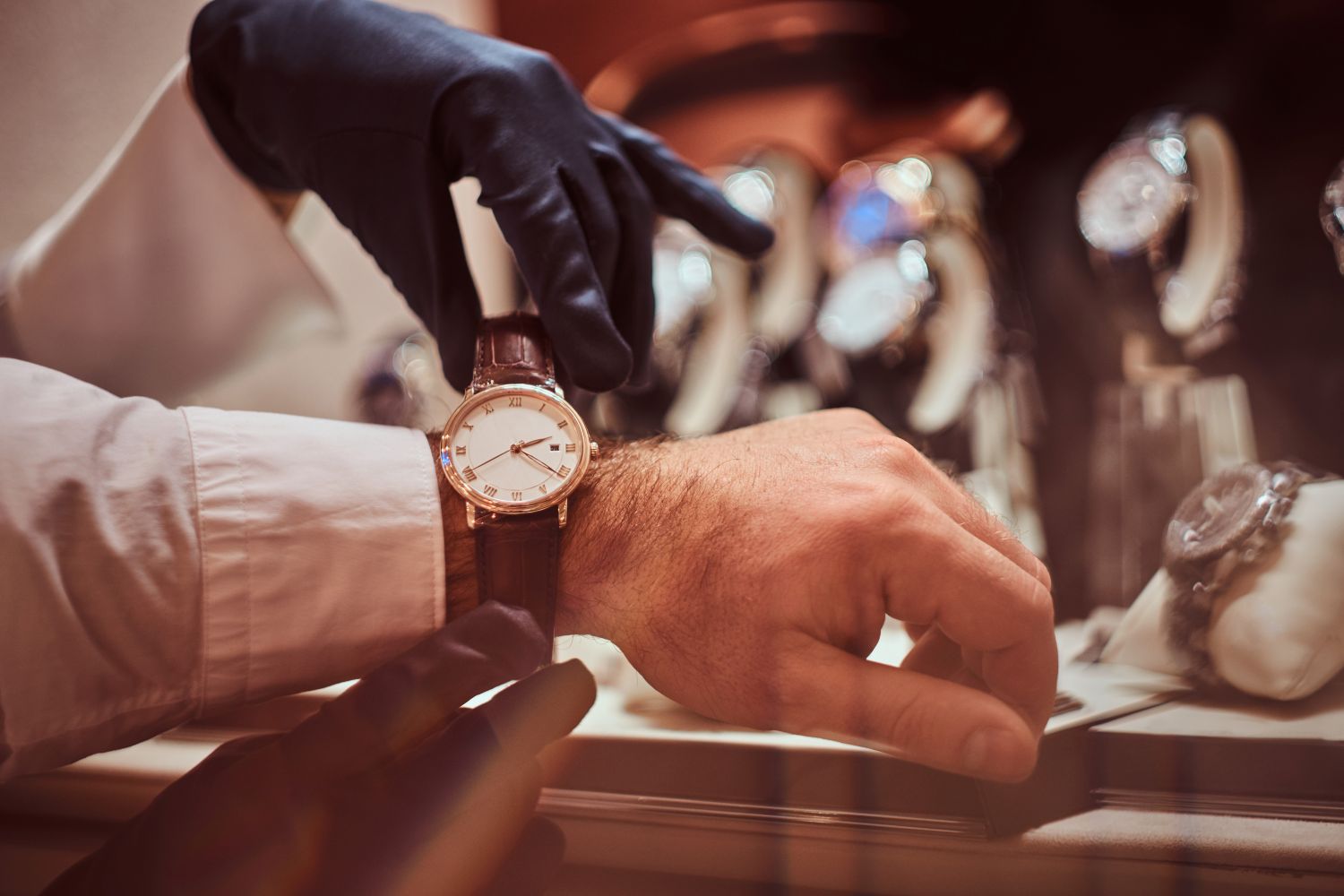
Omega watches are synonymous with precision, luxury, and craftsmanship. As one of the leading Swiss watch manufacturers, Omega has established a reputation for producing high-quality timepieces that are not only functional but also stylish. However, with the rise in demand for luxury watches, the market has also seen an increase in counterfeit products. For collectors and enthusiasts, understanding how to authenticate Omega watches is essential. One of the most critical aspects of this process is recognizing the significance of model numbers and codes. This article delves into why these identifiers are crucial for verifying the authenticity of Omega watches.
Understanding Omega’s Model Numbers and Codes
What Are Model Numbers?
Model numbers are unique identifiers assigned to each specific Omega watch model. These numbers can often be found on the case back and are essential for identifying the watch’s design, features, and production year. Each model number corresponds to a particular style, function, and sometimes even a limited edition.
The Importance of Serial Numbers
In addition to model numbers, Omega watches also have serial numbers. These serial numbers are typically engraved on the case back or between the lugs and provide critical information regarding the watch’s production date. By cross-referencing the serial number with Omega’s records, you can verify the authenticity and age of the watch.
Other Identifying Codes
Omega watches may also feature additional codes, such as reference numbers, which provide further details about the watch, including material, movement type, and design specifications. These codes can be crucial when seeking to authenticate a watch or when ordering replacement parts.
Why Model Numbers and Codes Matter
1. Verifying Authenticity
One of the primary reasons to pay attention to model numbers and serial numbers is to verify the authenticity of an Omega watch. Counterfeiters often produce replicas that may look similar to genuine models but lack the precise details found in authentic pieces. By checking the model and serial numbers against Omega’s database, you can confirm whether a watch is genuine or a counterfeit.
2. Understanding the Watch’s History
Model numbers and serial numbers provide valuable insights into the history of a watch. Each model has its unique story, including its launch date, design evolution, and any limited editions. Knowing the history of your watch can enhance its value and significance, especially for collectors.
3. Assessing Value and Rarity
Certain Omega models are more sought after than others, often due to their rarity or historical significance. By identifying the model number, collectors can better assess the value of a watch in the market. This information is crucial for those looking to buy or sell Omega timepieces, as it can significantly impact pricing.
4. Ensuring Proper Maintenance and Repairs
When it comes to servicing Omega watches, having the correct model number and serial number is essential. Authorized service centers use these identifiers to ensure they have the right parts and specifications for the watch. This is particularly important for vintage models, where specific components may be required for repairs.
5. Avoiding Fraudulent Transactions
In the luxury watch market, fraudulent transactions can occur if buyers are not diligent in verifying authenticity. Knowing how to check model numbers and codes can protect buyers from purchasing counterfeit watches. This knowledge empowers collectors and enthusiasts to make informed decisions and avoid potential scams.
How to Authenticate an Omega Watch
Step 1: Locate the Model and Serial Numbers
Start by examining the watch for its model number and serial number. The model number is usually found on the case back, while the serial number may be located between the lugs or on the case back itself.
Step 2: Cross-Reference with Omega’s Database
Once you have the model and serial numbers, cross-reference them with Omega’s official database or contact an authorized Omega dealer. This will help confirm whether the watch is genuine and provide details about its production year and specifications.
Step 3: Examine the Watch’s Features
Authentic Omega watches come with specific features that can help verify their authenticity. Look for details such as the quality of the engraving, the presence of the Omega logo, and the overall craftsmanship of the watch.
Step 4: Consult Experts
If you are still unsure about the authenticity of the watch, consider consulting a watch expert or appraiser. Professionals can provide insights and assessments based on their expertise in the luxury watch market.
Conclusion
Authenticating Omega watches is an essential skill for collectors and enthusiasts alike. Model numbers and codes play a crucial role in this process, providing valuable information that helps verify authenticity, assess value, and ensure proper maintenance. By understanding the significance of these identifiers, watch enthusiasts can navigate the luxury watch market with confidence, protecting themselves from counterfeit products and making informed decisions. Whether you’re a seasoned collector or a first-time buyer, knowing how to authenticate Omega watches will enhance your appreciation for these remarkable timepieces and their rich history.